The Accountability Dial™
Accountability isn’t all or nothing.
It’s a dial.
Most people feel stuck between two bad options: say nothing, or make it a big deal. The Dial gives you five stages in between. Start with the lightest one that could work, and only turn it up if it doesn’t land. Most situations never get past the first.
Created by Jonathan Raymond in Good Authority. Learned by 100,000+ people leaders. Now built into Ren, in Slack and Teams.
Nothing charged for 7 days · Two minutes to set up
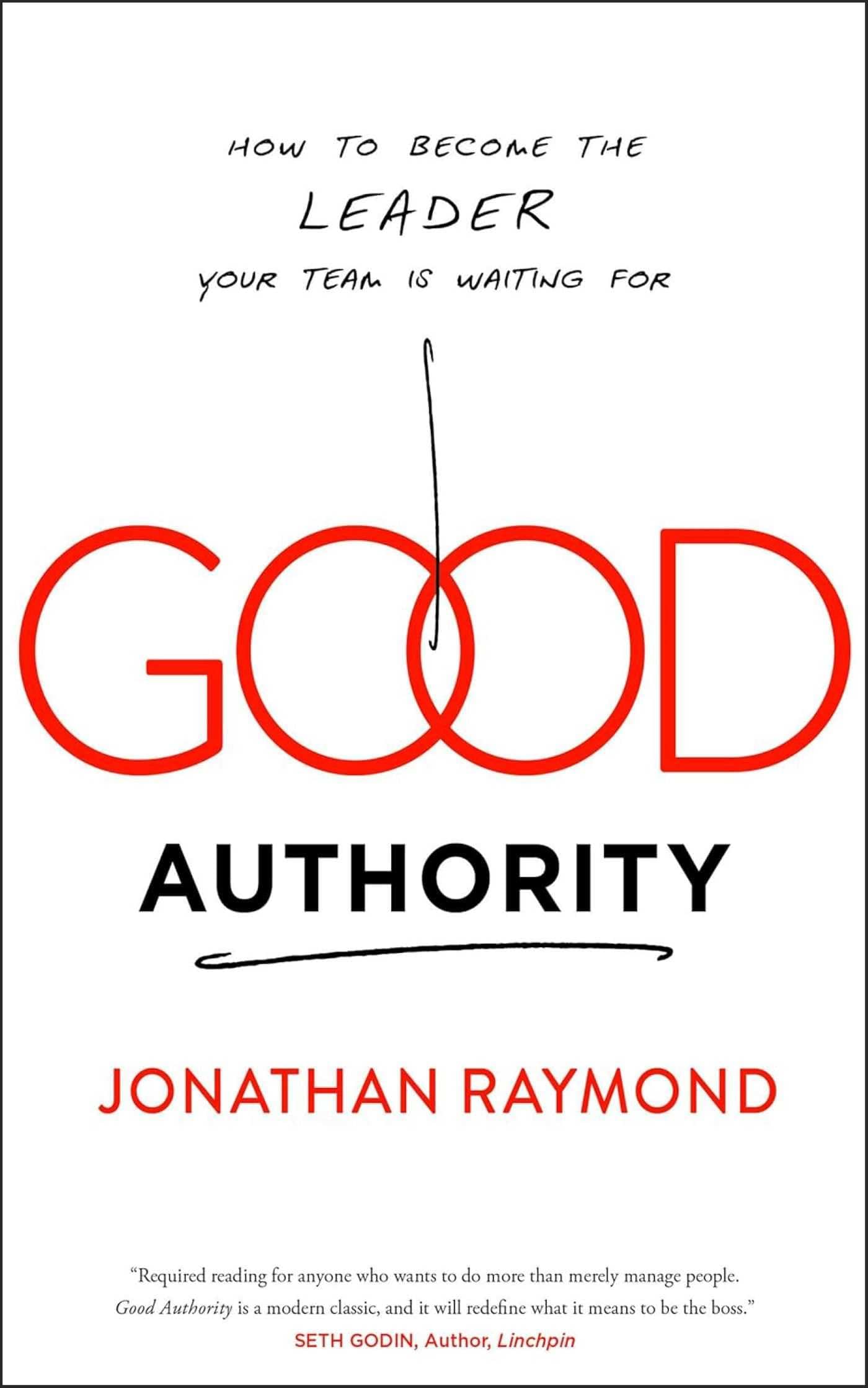
The Dial was introduced in Good Authority (2016).
What it is
Five stages.
Start with the lightest.
The Accountability Dial™ is a five-stage method for accountability conversations at work: Mention, Invitation, Conversation, Boundary and Limit. Created by Jonathan Raymond in Good Authority (2016) and used by 100,000+ people leaders, it has you start with the lightest stage that could work and only turn it up if the pattern continues. The goal at every stage is the same: the other person owns the problem, instead of just following orders.
01MentionName it early.
“I noticed the launch slipped. What happened there?”
02InvitationConnect the dots.
“This is the second time this month. What do you see in that?”
03ConversationName the impact.
“Here’s what this is costing the team. What do you want to do?”
04BoundaryName what has to change.
“This has to change by Friday. Here’s what that looks like.”
05LimitEnd the conversation on this.
“This role isn’t the fit we needed. Here’s what happens next.”
You can stop at any stageIf the person takes ownership and the behavior changes, you stop. The Dial isn’t a path to firing someone. Limit doesn’t mean the end of the job, it means the end of this conversation. Most situations resolve at stage one or two when you handle them well.
Tested in a blind study: 400 coaching conversations, Ren scored 4.22/5.0 against ChatGPT’s 2.84.Read the Pushback Report →
Why it works
Most people have two settings: say nothing, or blow up. The Dial has five.
01The wrong moves
Avoid it, work around it, complain to someone who can’t help, escalate to HR before you’ve tried the person. The whole messy menu.
02What the Dial named
The five moves that live between silence and a blow-up. Nobody had a word for that space, so it stayed empty.
03Why people use it
100,000+ people leaders since 2016. Not because it’s easier, but because it’s honest about how accountability actually works.
04Why it lasts
As AI absorbs the production work, leaning in (naming a pattern, having the hard talk cleanly) becomes the durable human skill.
Two-minute quiz
What do you do first when it gets hard?
Fixer, Fighter, or Friend: the habit you fall back on shapes which stage you jump to and which one you skip. Two minutes, no sign-up. Then bring the conversation you’re avoiding to Ren.
Are you a Fixer, Fighter, or Friend?
Two minutes on the reflex you lead with by default, and where Ren would start with you. Built on Good Authority.
Your real job
Help them own the problem. Don’t solve it for them.
“Be more Yoda, less Superhero. Your job isn’t to save the day. It’s to ask the question that helps someone save their own.”
Jonathan Raymond, Good Authority
First, agree on what happened.
Most accountability fails because the manager sees one thing and the employee sees another. Every stage builds a shared picture of what’s happening, so when you talk, you’re talking about the same thing.
Then hand it back to them.
The goal of every conversation on the Dial is the same: help the other person take ownership of their own growth. Not compliance. Not obedience. You hold up the mirror. They do the work.
Not just for bosses
Use it with your manager, your peers, and for praise.
Managing up
You → your manager
Same steps, pointed the other way. Start with a Mention, not a complaint. Agree on what’s happening before you ask for change.
“I want to flag something about how we’re scoping these. Can I walk you through what I’m seeing?”
Peer to peer
You ↔ a colleague
Tension between teams is almost always a pattern nobody has said out loud. The Dial gives you the words to name it without making it personal.
“Handoffs keep landing late on Fridays. What does that look like from your side?”
Praise
Any direction, for a win
Not only for what’s going wrong. Mention great work in the moment, invite someone to reflect on a win, name a strength out loud.
“The way you handled that escalation? That was the hard version, done well.”
Watch the walkthrough
How Ren helps you use the Dial.
A 14-minute walkthrough of where each stage shows up in real conversations at work, and how Ren helps you spot the moment and find the right words.
Bring the conversation you’re avoiding to Ren.
The Dial is the method. Ren helps you use it in Slack and Teams, and what it tells you stays private to you.
Nothing charged for 7 days · Two minutes to set up
Common questions
What people leaders ask about accountability.
How do I deal with an underperforming employee?
Start smaller and earlier than feels natural. Most underperformance conversations are scary because they arrive six weeks late, after the pattern has built up while everyone waited for the review. The Accountability Dial starts with a Mention: name the observation once, lightly, within a day of noticing it (‘Hey, I noticed the launch slipped. What happened there?’). If the pattern persists, move to an Invitation, then a Conversation about impact. The goal at every stage is for the person to take ownership of their own growth, not just comply. Done early, most situations resolve at the first or second stage and never become a performance case.
How do I give difficult feedback without damaging the relationship?
Separate honesty from harshness. The kindest move is being honest early, with curiosity instead of a verdict. Lead with the specific observation, not the character judgment (‘Was there a moment where you knew it would slip?’ rather than ‘You’re missing deadlines’). The research behind the Accountability Dial, taught to 100,000+ people leaders, points the same way: people don’t leave because of hard feedback. They leave because of silence. Delivered with honesty and kindness in equal measure, feedback builds the relationship rather than spending it.
What are the five stages of the Accountability Dial?
Mention, Invitation, Conversation, Boundary, and Limit. Mention names the observation early and lightly. Invitation, when the pattern persists, invites the person to look at what’s underneath it. Conversation shifts to impact: what it’s costing the team and them. Boundary names what needs to change, by when. Limit is the end of the conversation on that issue. It isn’t termination, but a consequence that fits the situation. Most situations resolve at Mention or Invitation when done well. The goal at every stage is ownership, not compliance.
Does the Accountability Dial only work top-down, from manager to direct report?
No. It works in every direction. Direct reports use it to raise what isn’t working with their manager. Peers use it to name tension between teams without making it personal. And it works for praise: you can Mention great work, Invite someone to reflect on a win, or have a Conversation about their strengths. The steps are the same in every direction: agree on what’s happening first, then hand ownership back to the person.